
Table of Contents
The global peanut market offers options from multiple origins, each with distinct characteristics, price points, and supply reliability. Understanding these differences is essential for making informed sourcing decisions. As a leading peanut exporter from India, we recognize the importance of helping buyers compare options objectively while highlighting what makes Indian peanuts competitive in the global marketplace.
Global Peanut Production Overview
The world’s top peanut-producing regions are:
- China: ~4.5 million metric tons annually (40% global supply)
- India: ~2.0 million metric tons annually (18% global supply)
- USA: ~1.0 million metric tons annually (9% global supply)
- Africa (combined): ~1.5 million metric tons annually (13% global supply)
- Others: ~1.5 million metric tons annually (13% global supply)
India maintains stable position as the second-largest producer and the largest exporter, providing consistent, high-quality supply.
Indian Peanuts: Quality, Reliability, and Value
Strengths:
- Natural Non-GMO: India’s traditional farming methods ensure naturally non-GMO production
- Quality Consistency: Large-scale producers with modern processing facilities
- Competitive Pricing: Lower labor and production costs enable competitive rates
- Supply Reliability: Stable year-round supply with multiple crop cycles in some regions
- Traceability: Increasing blockchain integration and documentation standards
- Processing Expertise: Advanced shelling, roasting, and packaging capabilities
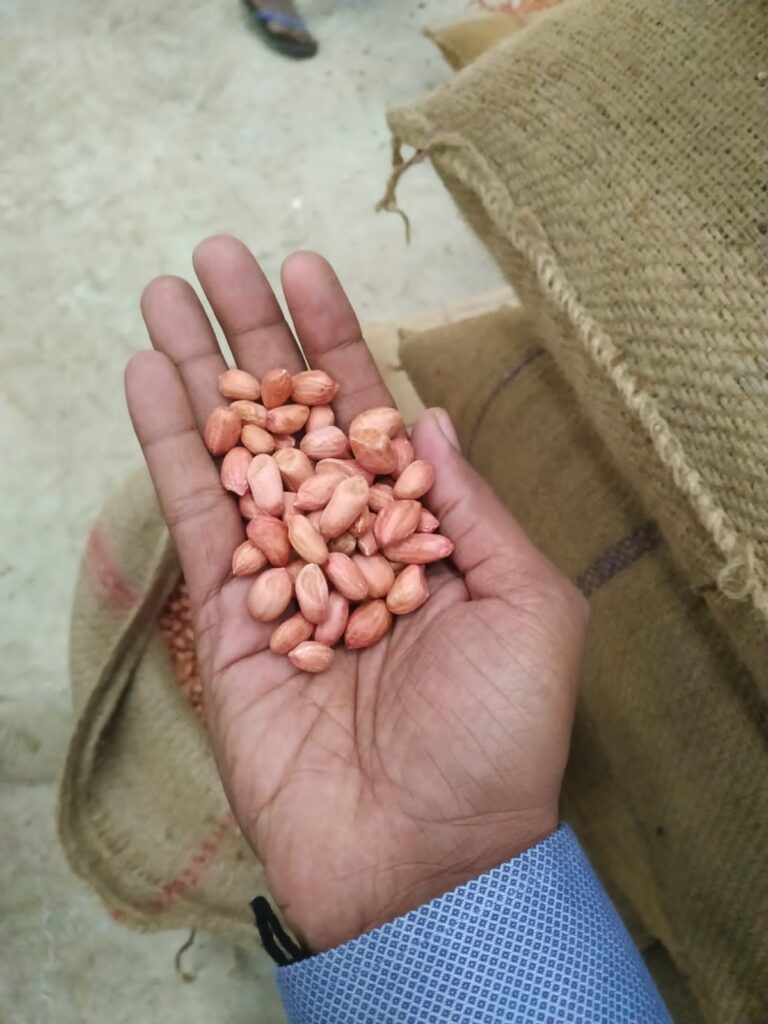
Peanut Varieties from India:
- Bold varieties (large kernels, premium quality)
- Java varieties (medium-sized, good for general use)
- Spanish varieties (smaller, high oil content)
- Valencia varieties (small kernels, premium markets)
A reputable peanut exporter from India can customize supplies based on buyer specifications for size, grade, and characteristics.
China: The Volume Leader
Strengths:
- Massive Production Capacity: Easily accommodates large orders
- Competitive Pricing: Particularly for commodity-grade peanuts
- Processing Infrastructure: Advanced processing and packaging technologies
- Export Experience: Well-established supply chains and distribution networks
- Innovation: Continuous process improvements and efficiency gains
Challenges:
- Food Safety Concerns: Historical issues with aflatoxin contamination and quality lapses
- GMO Variability: Some GMO crops in certain regions (requires verification)
- Quality Inconsistency: Wide variation in product quality across suppliers
- Documentation Concerns: Less transparent supply chain tracking
- Regulatory Scrutiny: Increased inspection requirements in EU and other markets
USA Peanuts: Premium Quality and Reliability
Strengths:
- Stringent Quality Standards: USDA regulations ensure consistent quality
- Food Safety: Among the world’s safest peanut supplies
- Reliability: Stable supply with strong regulatory framework
- Traceability: Excellent documentation and supply chain transparency
- Sustainability: Increasing focus on environmental and social responsibility
Weaknesses:
- Premium Pricing: Typically 30-50% more expensive than Indian alternatives
- Lower Production: Limited supply may result in allocation issues
- GMO Crops: Majority of USA peanuts are genetically modified (not suitable for non-GMO markets)
- Seasonal Availability: Concentrated harvest period affects supply timing
African Peanuts: Emerging Quality, Variable Supply
Countries of Note: Senegal, Nigeria, Mali, Tanzania
Strengths:
- Competitive Pricing: Often comparable to or lower than Indian prices
- Organic Potential: Many farms operate using traditional methods suitable for organic certification
- Growing Quality Standards: Increasing investment in post-harvest infrastructure
- Market Diversity: Multiple suppliers reduce dependency on single origin
Challenges:
- Supply Volatility: Weather dependency and variable harvests
- Infrastructure Limitations: Less developed processing and export infrastructure
- Quality Variability: Wide range in testing standards and certifications
- Documentation: Inconsistent traceability and certification practices
- Political Risk: Supply chain disruptions from geopolitical factors
Best Choice by Application
For Food Manufacturing (Peanut Butter, Snacks):
- Primary: USA or India
- Secondary: China (commodity applications only)
For Non-GMO and Organic Markets:
- Primary: India or Africa
- Secondary: India for consistency
For Cost-Sensitive Applications:
- Primary: China or India
- Secondary: Africa
For Food Safety and Liability Protection:
- Primary: USA
- Secondary: India
Making the Right Choice
When selecting a peanut exporter from India as your primary source, consider:
- Certifications (non-GMO, organic, food safety)
- Testing protocols and lab accreditation
- Supply continuity and contract terms
- Logistics and delivery capabilities
- Price consistency and volume flexibility
- Long-term relationship potential
Conclusion
While each origin offers distinct advantages, a peanut exporter from India provides an excellent balance of quality, reliability, and value that’s hard to match globally. By understanding the comparative strengths and weaknesses of each origin, you can make sourcing decisions aligned with your product requirements, market positioning, and business objectives.
At Somnath Agri Impex, we’re proud to represent Indian peanut quality to the world while maintaining competitive pricing and reliable supply relationships.
Are Indian peanuts safer than Chinese peanuts?
Recent years have shown improvement in Chinese quality, but India maintains more consistent safety records. Both require verification through lab testing.
Why are USA peanuts more expensive?
Higher labor costs, stringent regulatory compliance, and smaller production volumes drive premium pricing.
Can African peanuts be organic-certified?
Yes, many African peanuts are naturally organic. Certification requires documentation and audits.
What’s the typical price difference between origins?
India vs. China: 10-20% premium for India | India vs. USA: 20-40% discount for India
How do I verify the origin of peanuts?
Request phytosanitary certificates, lab reports, and traceability documents. A reliable peanut exporter from India provides complete documentation.
Should I use a single source or multiple origins?
Multiple sources reduce risk, but single-source from a reliable peanut exporter from India can offer better terms and consistency.
